Blog
Guides on AI, automation and software, from the people who build it
What we’ve learned shipping AI features, automations, internal tools, SaaS products and data migrations for clients, written up so you can use it too.
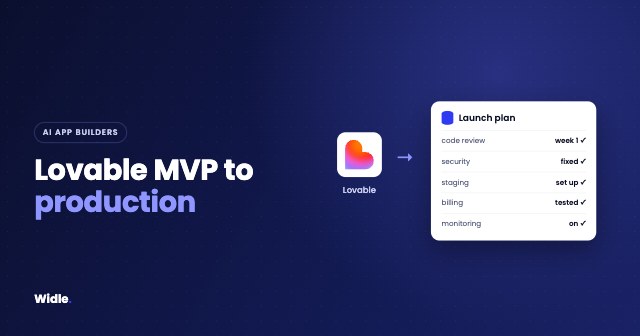
Lovable MVP to production SaaS: what to keep, what to refactor, what to rebuild
Your Lovable app has pilot users and someone just asked about pricing. Do you launch it, or start again? Usually neither. How we sort an MVP into keep, refactor and rebuild.
Read the article →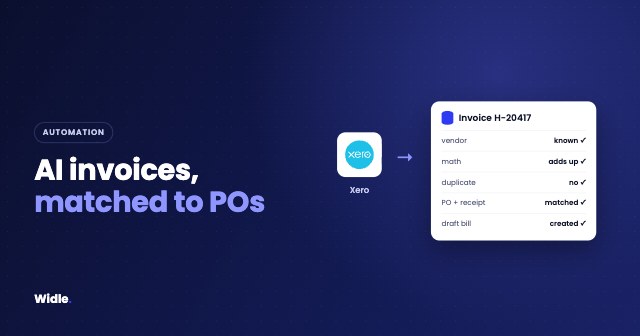
AI accounts payable automation: matching every invoice to its purchase order and receipt
Reading invoices is the easy part now. Deciding whether to pay them is where the hours go. How we’d set up three-way matching around an AI step, and what a test run caught.
Read the article →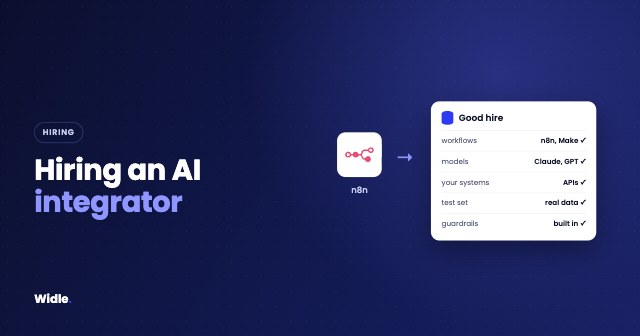
Hiring an AI integration specialist: what the job involves and how to choose one
Plenty of people can build a demo with ChatGPT and Zapier. Fewer can keep an AI workflow running against your real systems for a year. What to look for, and what to ask.
Read the article →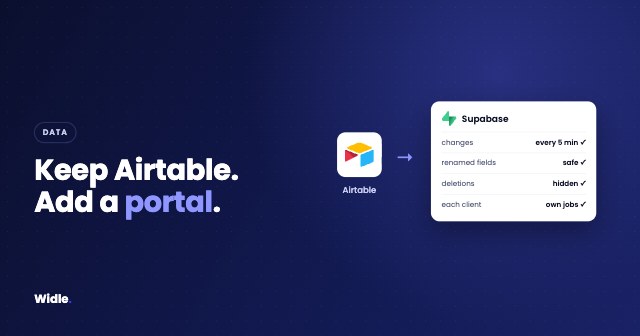
Syncing Airtable to Supabase: keep Airtable for the team, give clients a portal
Your team is happy in Airtable, but clients need to see their own jobs. A tested sync that copies only what changed into Supabase every few minutes, refuses bad records, and lets row level security decide who sees what.
Read the article →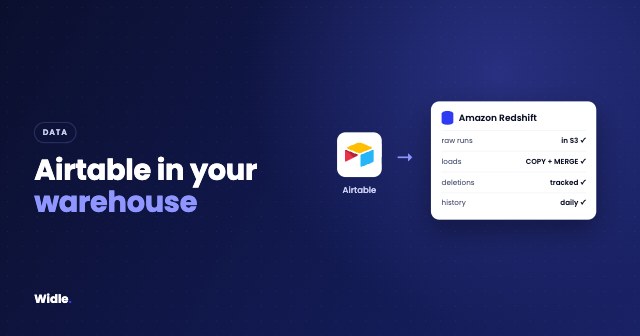
Getting Airtable data into Amazon Redshift: how we’d design the pipeline
Airtable is a good place to work and a poor place to report from. This is the pipeline we’d design to get it into Redshift: what to buy, what to build, how each field type maps, and how to keep the history Airtable throws away.
Read the article →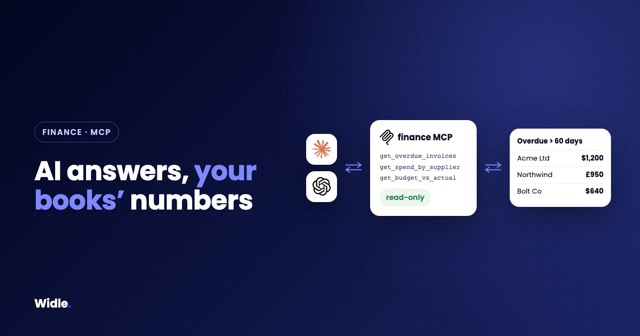
Building an MCP server for finance: read-only AI access to your accounting data
A working TypeScript MCP server that answers “who owes us money?” from your reporting database, with read-only access, scope checks and an audit trail. Tested, with screenshots of the real output.
Read the article →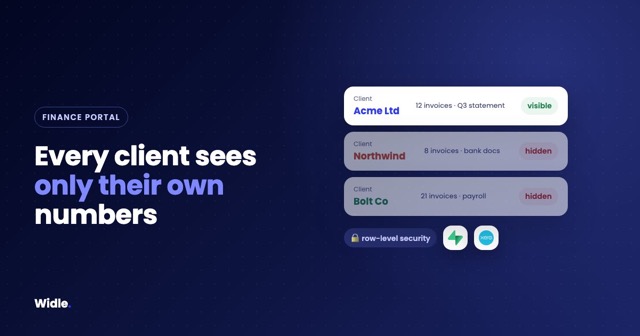
Building a multi-tenant finance portal on Supabase: schema, row-level security and tests
The schema, policies and tests behind a client finance portal on Supabase, where each company sees only its own invoices and documents. With screenshots of two clients side by side.
Read the article →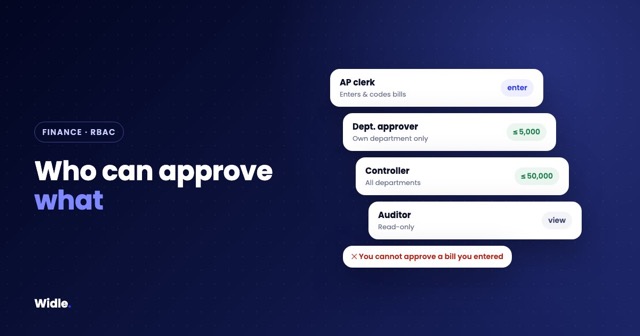
Role-based access for an internal finance portal: approval limits and segregation of duties in PostgreSQL
How to model roles, approval limits and “you can’t approve your own bill” in the database, so the rules hold however the data is reached. With tested SQL and screenshots of the working app.
Read the article →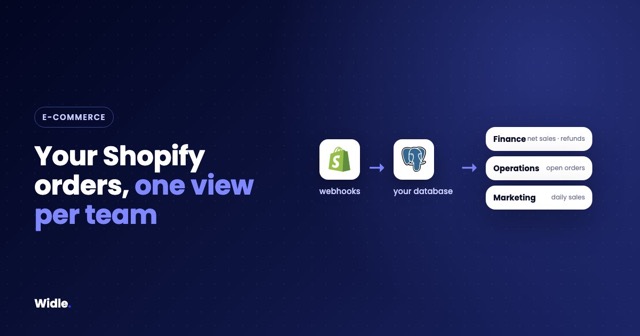
Syncing Shopify orders into your own app: webhooks, bulk exports and role-based revenue views
How to keep a copy of your Shopify orders in your own database, with verified webhooks, a full history load, agreed revenue definitions and a view for each team. With screenshots of the working dashboard.
Read the article →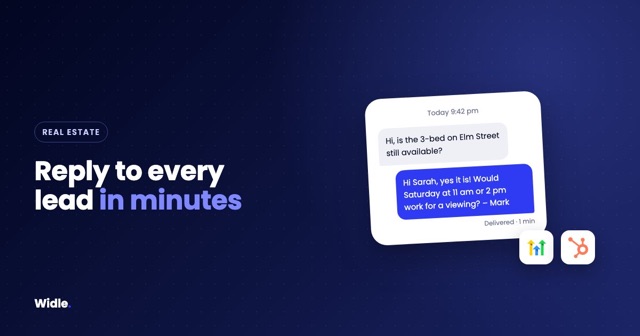
Real estate lead follow-up: how to reply to every enquiry in minutes
A buyer who enquires at 9:40 pm usually signs with whoever answers first. The follow-up setup we’d build for a property team, and what it did when we ran it.
Read the article →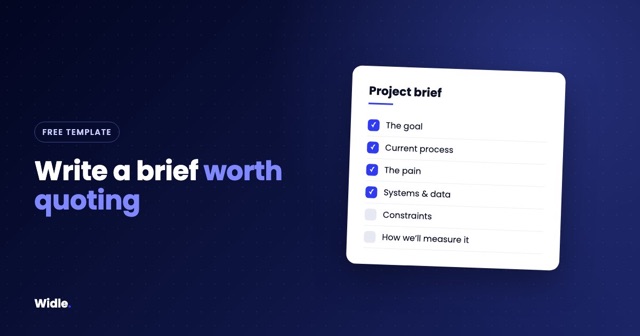
How to brief an AI or automation project (with a free template)
The template we wish every client sent us before the first call. Copy it, fill it in, and send it to anyone you’re talking to, us included.
Read the article →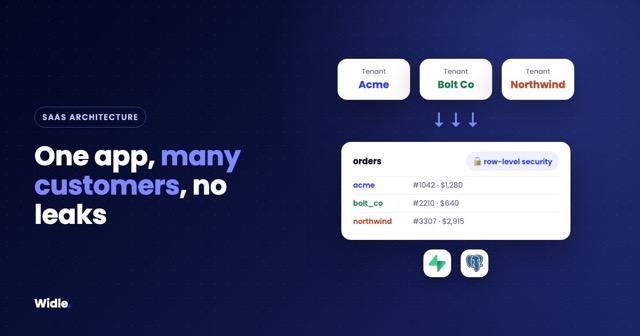
How to build a multi-tenant SaaS: architecture, data isolation and the mistakes to avoid
Keeping each customer’s data separate is the decision you can’t easily undo in a SaaS build. How we approach it, with a small working API that shows tenant resolution, plan limits, jobs and AI search doing the right thing.
Read the article →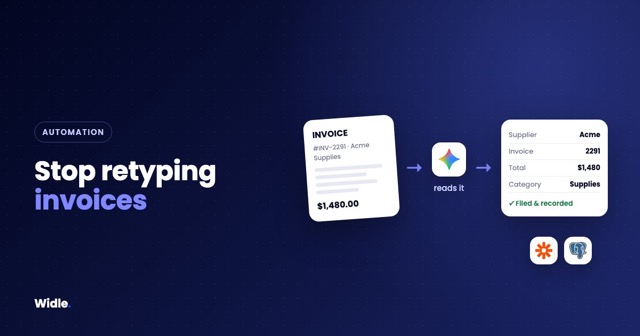
How to automate invoice processing with AI, without losing control
How we set up an automation that reads every invoice email, files the PDF and records the details, and why the checks matter more than the AI.
Read the article →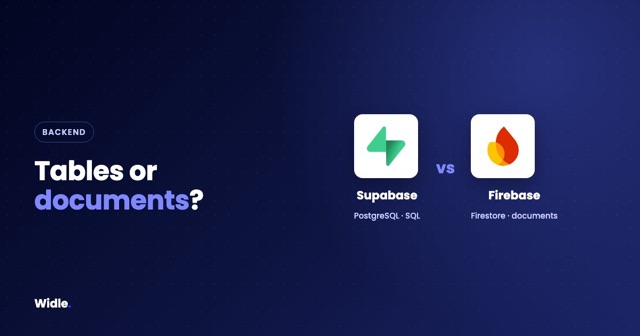
Supabase vs Firebase: which backend should you choose?
Both give you a database, sign-in, storage and functions out of the box. The real difference is tables versus documents, and it shapes your app for years.
Read the article →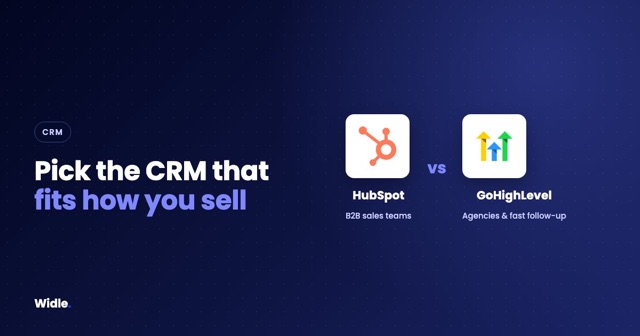
HubSpot vs GoHighLevel: which CRM fits your business?
HubSpot was built for B2B sales teams. GoHighLevel was built for agencies and businesses that live on fast follow-up. Which one are you?
Read the article →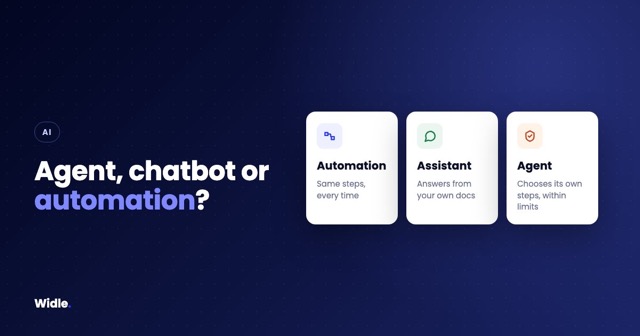
AI agents, chatbots or automations: what does your business actually need?
Everyone wants “an AI agent” this year. Often a plain automation or a well-built assistant does the job better, for less. How we decide.
Read the article →
How to hire a dedicated developer from India: a guide for US and UK teams
Hiring a developer from India can work brilliantly or not at all, and the difference is almost always the setup. What to check before you start.
Read the article →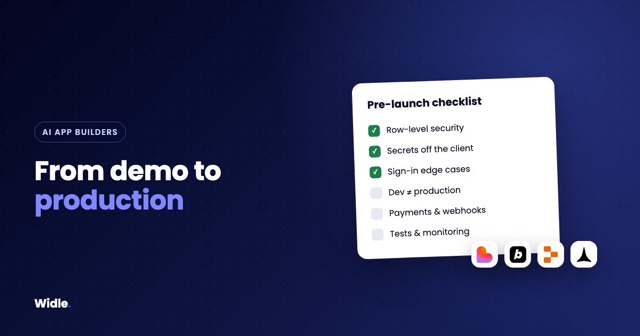
Taking a Lovable, Bolt or Replit app to production: a pre-launch checklist, with an audit script
AI app builders get you to a working demo in days. What we check before one of those apps meets paying customers, with a script that tests the most common gap, and its real output before and after the fix.
Read the article →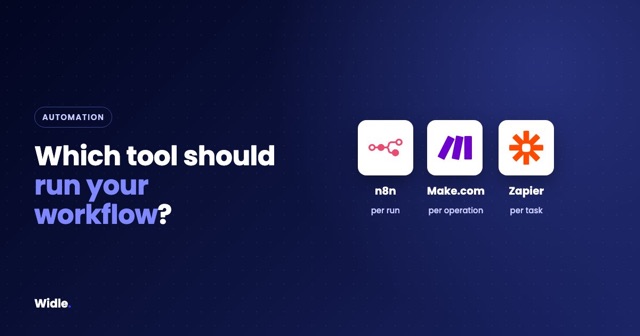
n8n vs Make.com vs Zapier: how to choose your automation tool
We build on all three. Which one we pick depends on volume, data rules and who’ll be fixing it when it breaks.
Read the article →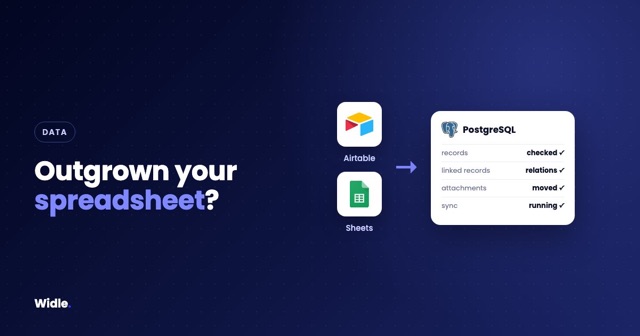
Moving off Airtable or Google Sheets to PostgreSQL: a migration you can run twice
How to tell you’ve outgrown Airtable or a spreadsheet, and a tested migration script that checks every record, link and total before it commits, then keeps running as a sync until you switch over.
Read the article →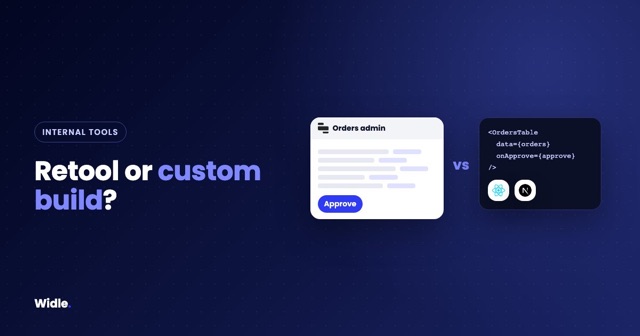
Retool vs a custom-built internal tool: how to decide
Retool gets an internal tool live in weeks; a custom app gives you full control. How we help clients choose, from a team that builds both.
Read the article →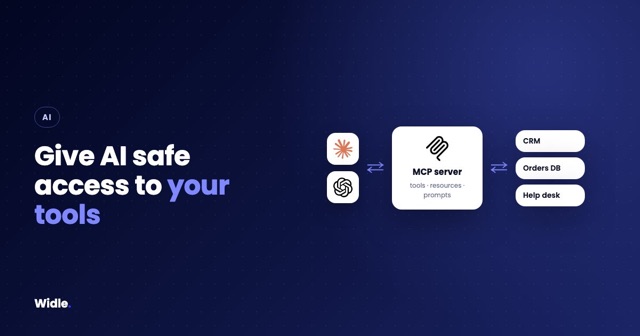
What is an MCP server, and does your business need one?
MCP is how AI assistants get safe access to your tools and data. A plain-English explanation, a small working server you can read in two minutes, and how to tell whether it’s worth building.
Read the article →
Implementing Microservices in Node.js
A microservice architecture puts each application function in its own service, isolated from the others. How to structure one in Node.js.
Read the article →
Micro Frontend in Angular
Micro frontends split a monolithic front end into smaller apps that load on demand. How to set one up in Angular.
Read the article →